Travel Guide
Naha (Okinawa) 4-Day Beaches + Local Food City Trip
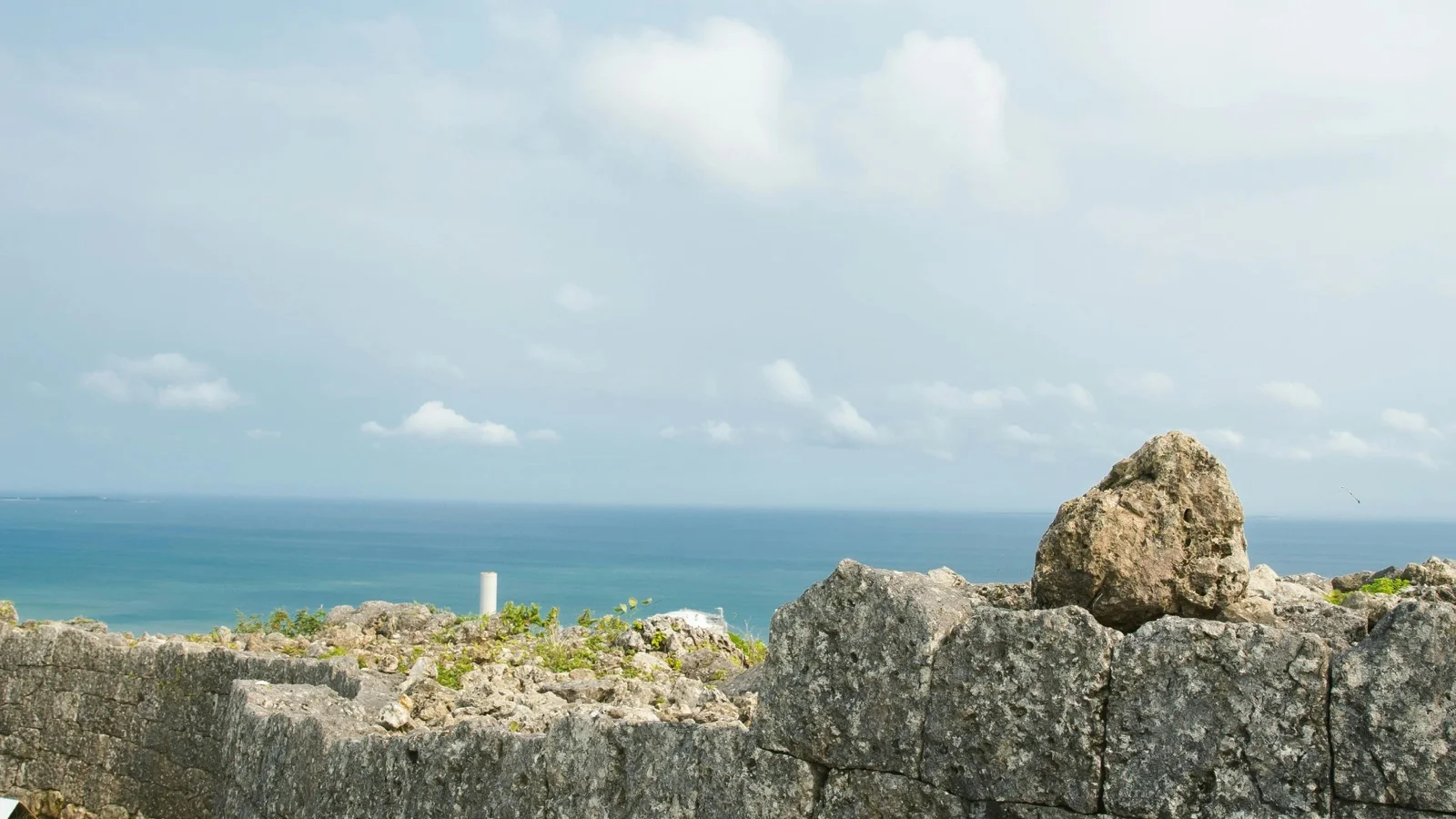
Want the editable version of this route?
Open the Instaboard template and adapt stops, timing, and notes to fit your trip.
Okinawa isn't just Japan with better beaches. This was the Ryukyu Kingdom, and it ran its own show for 450 years. Four days gives you the castle, the whale sharks, the pottery, and the sacred forest, without guessing what's worth your time.
Summer here means warm water, clear skies, and the occasional afternoon shower, so plan your beach time for mornings when you can.
Day 1
Day one is about the kingdom: Shuri Castle up top, then pottery workshops, and a quiet garden to decompress.
Shuri Castle
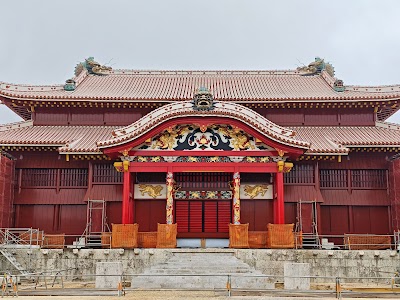
Shuri Castle was the seat of the Ryukyu Kingdom, a place that paid tribute to both China and Japan for centuries until 1879. The red castle on the hill is Okinawa's postcard image, but half of it is scaffolding right now because the main hall burned down again in 2019.
You're walking into a reconstruction site, not a pristine palace, so set those expectations before you climb. Go early. The uphill walk is exposed, the tour buses arrive mid-morning, and summer heat is real by 10am.
Tip: Arrive by 9am to beat the crowds at this UNESCO World Heritage site. Wear comfortable shoes for the uphill walk and book entry tickets online in advance.
Tsuboya Pottery Museum
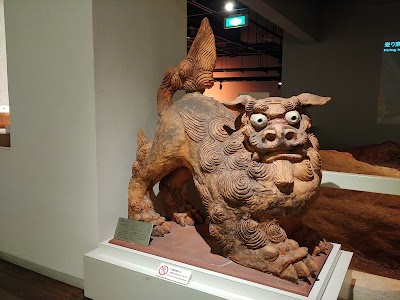
Tsuboya is where Okinawa's pottery tradition has lived for 300 years: narrow lanes, wood-fired kilns, and workshops where people are actually making things. Yachimun Street is lined with small studios where you can watch potters throw clay and buy pieces that came out of a kiln down the street.
Hit the museum first so you understand what you're looking at, then browse. Some workshops are cash-only and few speak much English. You'll see a lot of shisa lions here, and you'll probably buy one anyway.
Tip: Visit the museum first to understand the 300-year tradition, then watch artisans work. Bring cash for ceramic purchases from workshops.
Fukushūen Garden
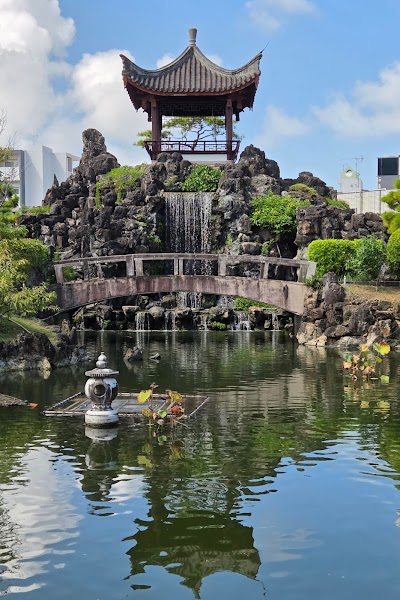
Fukushūen is a Chinese garden in the middle of Naha, and it makes sense once you remember Ryukyu's trade ties with Fujian province. Koi ponds, stone bridges, and pagoda views, completely free, and quiet enough to actually hear yourself think.
It's small, so don't expect a full afternoon, but the café inside makes it a solid rest stop. Evening light is best because it's a gentle way to close out a day that started with castle walls and kiln smoke.
Tip: Go at sunset for the best photos in this free Chinese-style garden. It's walking distance from downtown and perfect for a peaceful evening stroll.
Day 2
Day two is the drive north: whale sharks in a massive tank, then an island with a heart-shaped rock and water that's actually clear.
Okinawa Churaumi Aquarium
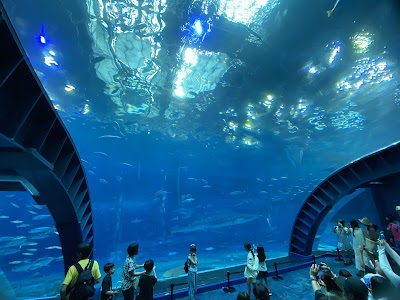
Churaumi Aquarium is famous for one thing: the Kuroshio Tank, where whale sharks and manta rays circle overhead in one of the largest tanks in the world. The viewing panel is massive enough to make you feel small, with blue light, slow-moving giants, and the quiet awe of everyone watching.
Get here at 8:30am opening because by midday this place is packed with families, tour groups, and everyone who read about it in a guidebook. Budget at least two and a half hours. The tank alone is worth lingering at, and you drove 90 minutes to get here.
Tip: Book tickets in advance online to skip the queue. Arrive at opening time (8:30am) for the best viewing experience without crowds at the whale shark tank.
Kouri Island
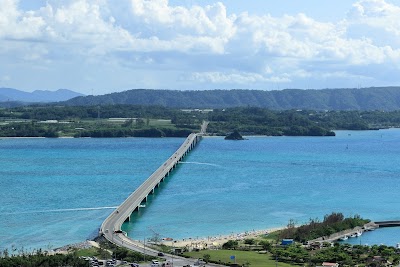
Kouri Island is connected by a dramatic bridge that feels like you're driving across the ocean to somewhere quieter. Heart Rock is the Instagram draw, two rocks that look like a heart if you squint, but the bridge views and turquoise water are the real payoff.
Go at low tide if you want to actually reach Heart Rock, and know that summer means crowds and photo lines at popular spots. The water really is that clear here, and the island pace is slower than the mainland. Worth the drive.
Tip: Visit Heart Rock at low tide for the best photos. The island is a 90-minute drive north, so rent a car in advance after the aquarium.
Day 3
Day three is food and beach: morning swim in the city, then the market, then dinner at a food stall village.
Naminoue Beach
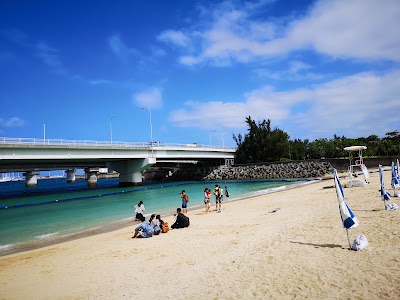
Naminoue Beach is the only beach in Naha where you can swim, and yes, there's a highway bridge directly overhead. A shrine sits on the cliff above, waves hit the sand below, and traffic rumbles across the view. This is city swimming.
Morning is calmer and less crowded, which matters because this isn't the Okinawa beach of your imagination. Come for a quick dip before the day heats up, but if you want postcard beaches, you need to drive north.
Tip: Walk from city center or take a taxi if carrying beach gear. Morning hours offer calmer waters and fewer crowds than afternoon.
Makishi Public Market
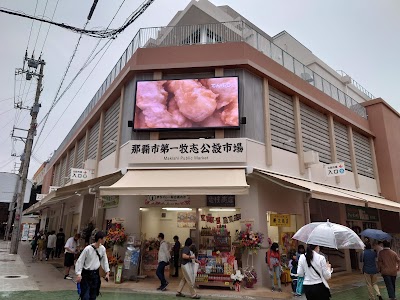
Makishi Public Market is where Okinawa's food culture is on display, some of it for locals, most of it for visitors like you. Buy seafood downstairs, take it upstairs, and they'll cook it. It's chaotic, loud, and fun.
Bring cash, try the purple sweet potato everything, and don't be surprised if prices feel touristy because they are. If the market feels overwhelming, grab goya champuru from a stall outside and reset.
Tip: Head to the second floor where vendors cook your fresh seafood selections on the spot. Bring cash for market purchases and try the purple sweet potato treats.
Kokusai Street Food Village
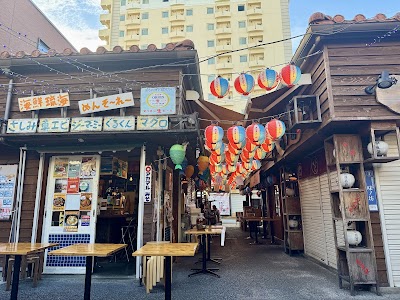
Kokusai Street Food Village is nearly 20 stalls in one place, a low-commitment way to try multiple dishes without committing to a single restaurant. Plastic chairs, beer on ice, the smell of grilled meat and frying noodles. It's designed for tourists but the food is genuinely local.
Arrive before 6pm because tables fill up fast after seven, especially on summer evenings. Order from multiple stalls, share dishes, and accept that the hardest decision is which one to try first.
Tip: Arrive by 6pm to secure seating at this open-air food court. Try Okinawa soba and goya champuru from different stalls while enjoying the evening atmosphere.
Day 4
Day four is the scenic drive home: an elephant-shaped cliff, a slice of America, and a sacred forest.
Cape Manzamo
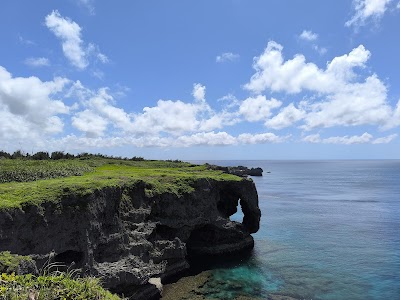
Cape Manzamo is a limestone cliff that genuinely looks like an elephant dipping its trunk into the sea. Wind off the East China Sea, blue water stretching out, and the sound of other tourists taking the same photo you're about to take.
Morning is cooler and quieter because tour buses roll in by mid-morning and parking fills up. Thirty minutes is enough here. Take the elephant photo, enjoy the view, and keep moving.
Tip: Visit at sunrise for dramatic lighting and fewer tourists. Wear non-slip shoes as the rocks can be wet from morning mist.
American Village
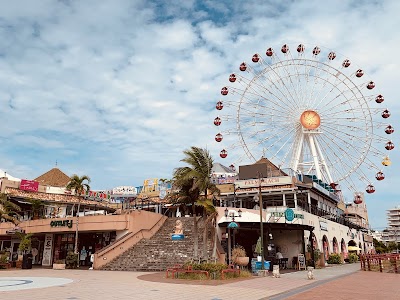
American Village is exactly what it sounds like: pastel buildings, burgers and tacos, English signage, and the feeling of being somewhere between Japan and California. Built on former US military land, this is where Okinawa's complicated relationship with American presence shows up as shopping and food.
Come in the afternoon and stay for sunset over the water. It's not essential, but it's a different side of the island. Yes, you came to Japan and you're eating a burger here. That's actually the point.
Tip: Free parking is available. Reserve a table at a sunset-view restaurant for the best experience with Ferris wheel views.
Sefa-Utaki
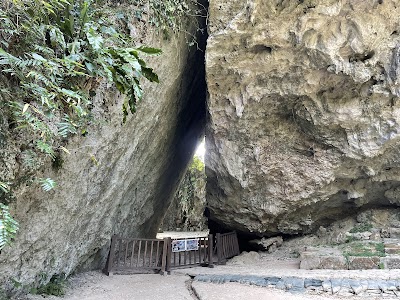
Sefa-Utaki is the most sacred site in Ryukyuan religion: no temple buildings, no shrines, just forest, rocks, and centuries of worship. Priestesses controlled access here; even the king needed permission to enter. That kind of place doesn't need architecture to feel important.
Evening golden hour is peaceful and cooler, and the crowds are thin compared to Shuri Castle. This is a UNESCO site that people still use for prayer. Visit with respect, not just for photos.
Tip: Book a guided tour in advance for this UNESCO sacred site. The forest is peaceful in the evening golden hour, so bring a light layer as it cools down.
What to book ahead
- Reserve Churaumi Aquarium tickets (2-3 weeks advance) - Book online to skip ticket queue; dolphin show times fill quickly
- Reserve rental car for northern day trips (1-2 weeks advance) - Essential for Day 2-4 coastal exploration; international driver's permit required
- Book Shuri Castle entry (1 week advance) - Summer peak season can sell out; morning slots recommended
- Reserve sunset dinner at American Village (3-5 days advance) - Seaside restaurants with sunset views require advance reservation
What to pack
Essentials
- Sunscreen SPF 50+ - Okinawa's UV index is extremely high in summer; reef-safe sunscreen required for beaches
- Reusable water bottle - Stay hydrated in 30°C+ heat; many attractions have water fountains
- Comfortable walking shoes - Shuri Castle and gardens require extensive walking on uneven surfaces
- Lightweight clothing - High humidity makes breathable fabrics essential for comfort
Nice to have
- Snorkel gear - Crystal-clear waters at beaches perfect for snorkeling
- Japanese phrasebook - Some local markets and smaller shops have limited English
- Beach umbrella - Limited shade at coastal attractions and beaches
Final take
Okinawa is Japan, but not quite: kingdom history, sacred forests, clear water, and food you won't find on the mainland.
Plan this trip
Turn this guide into an editable trip plan
Open the route in Instaboard, adjust the stops, and share the itinerary with your travel group.