Travel Guide
3 Days in Atami: Onsen, Castles & Coastal Japan
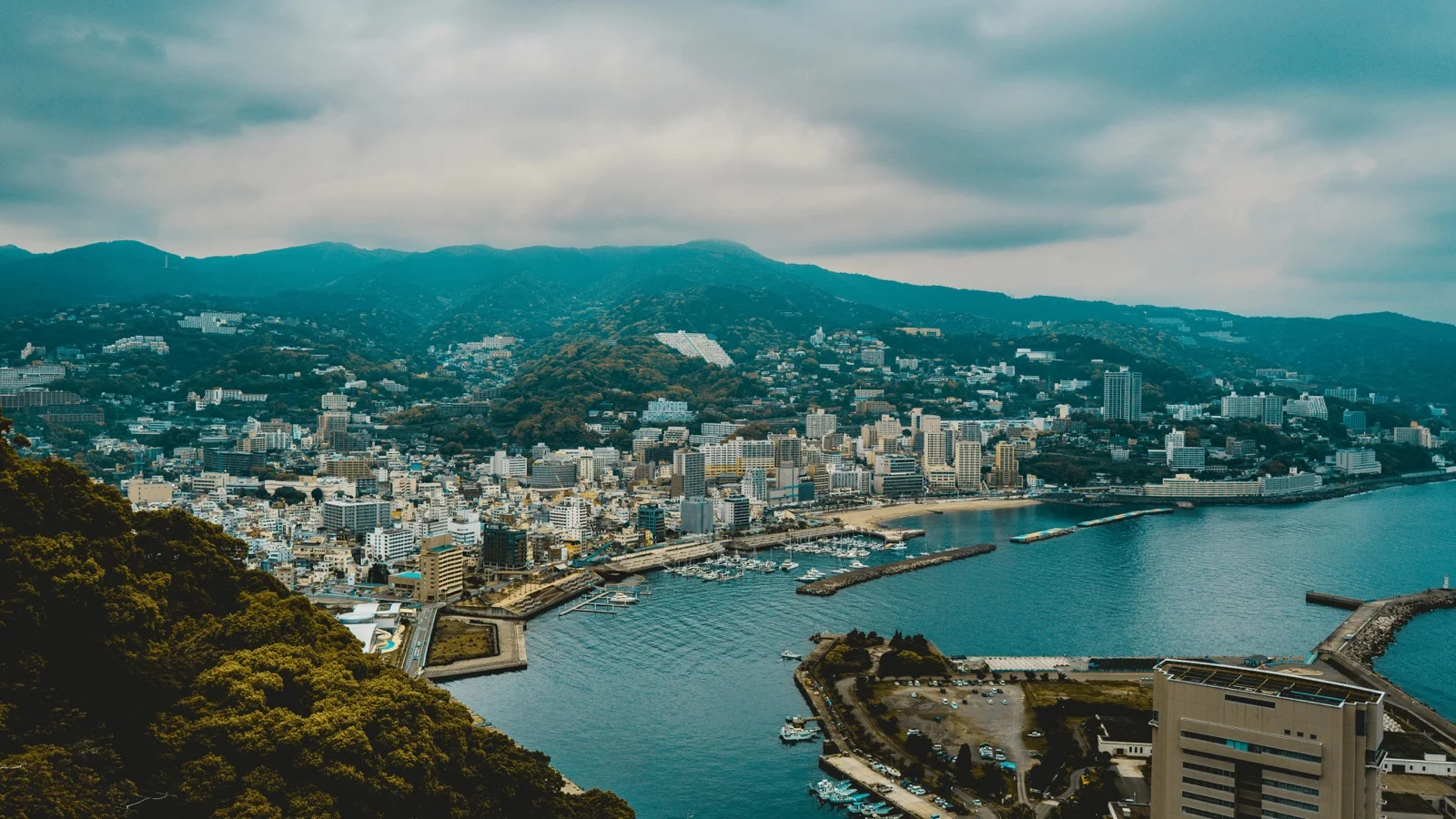
Want the editable version of this route?
Open the Instaboard template and adapt stops, timing, and notes to fit your trip.
There's a town on the Japanese coast where you step off a bullet train straight into a hot-spring foot bath. Atami is 40 minutes from Tokyo and most people skip it, but the town rewards a plan, even a rough one.
Atami works year-round: summer for swimming and fireworks, winter for soaking and plum blossoms. The shape of the trip really depends on when you visit.
Day 1
Day one is arrival. Soak your feet at the station, walk downhill to the beach, and end the evening on a retro arcade street.
Atami Station
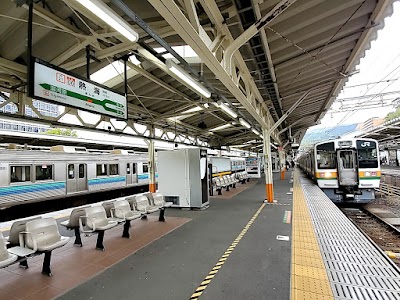
Atami Station isn't just your entry point. It's a statement of what this town is about, starting with a free onsen foot bath right on the plaza. Tokugawa Ieyasu liked this water so much he had it shipped in barrels to Edo Castle, which is either a strong endorsement or extremely expensive plumbing.
The station has this faded Showa-era resort energy: sleek Shinkansen arriving at a building that's seen better decades, and it kind of works. Not all bullet trains stop here. The fastest class blows right through, so check your train or you'll watch Atami disappear at 270 kilometers an hour.
Tip: Arrive by Shinkansen from Tokyo in under 45 minutes. The platforms feature free onsen foot baths so you can warm your feet right after arrival.
Atami Sun Beach
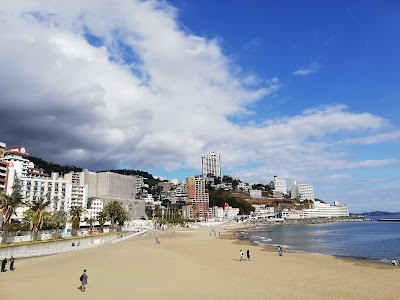
Sun Beach is a quick walk downhill, a palm-lined artificial beach facing Sagami Bay with views stretching to the Izu Islands on clear days. Atami is both an onsen resort and a beach town, and this is where the two collide: steam rising from the hills while you stand at the surf.
The sand was shipped in specifically, which is a committed decision for a place known primarily for boiling water. Fireworks launch from a barge right offshore, nearly weekly in summer and monthly in winter, because this town takes its pyrotechnics seriously year-round.
Tip: Walk the palm-lined promenade and swim in the calm bay waters. Arrive before noon on weekends to secure a good spot as crowds build fast.
Atami Heiwa-dōri Shopping Street
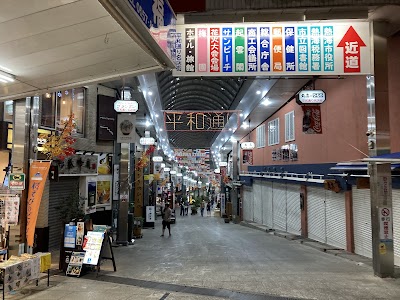
Heiwa-dori is the covered shopping arcade running through the commercial spine of Atami: onsen manju bakeries, dried fish stalls, local crafts, all under one roof. This arcade was built for Showa-era honeymooners walking back to their ryokan with souvenirs, and the demographic has shifted but the street hasn't changed much.
Onsen manju is the thing to try: a small cake with sweet bean paste, steamed with actual hot-spring water, and cash only at most stalls. Shops start closing by six or seven because this is a late-afternoon stroll, not a dinner plan. Arrive before the shutters come down.
Tip: Stroll the covered arcade for onsen manju and local crafts. Most shops accept cash only so prepare yen in advance.
Day 2
Day two shifts gears: a tree older than recorded Japanese history, a museum hiding national treasures, and a sunset from a castle that isn't really a castle.
Kinomiya Shrine
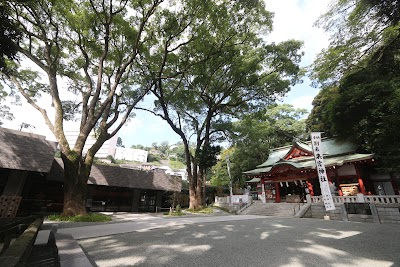
Kinomiya Shrine sits uphill from the station, and the reason to come is a single tree: a camphor called Ookusu, estimated at over 2,000 years old. Walking one lap around the trunk is a local ritual said to add a year to your life, possibly the lowest-effort longevity hack in Japan.
The tree is massive, gnarled, draped with sacred ropes, and on a weekday morning you may have the grounds almost to yourself. The shrine is a short bus ride or 20-minute uphill walk, and the museum this afternoon is also uphill, so pace yourself accordingly.
Tip: Explore the ancient 2,000-year-old camphor tree and sacred grounds. Entry is free and morning visits avoid the weekend crowds.
MOA Museum of Art
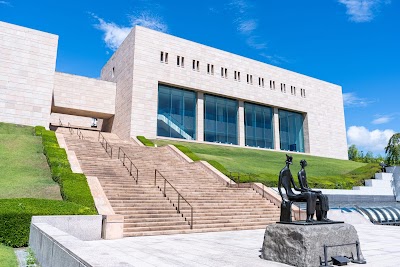
The MOA Museum of Art sits on a hill above town with three designated National Treasures, a genuine surprise in a coastal onsen resort. Ogata Korin's Red and White Plum Blossoms folding screen, one of the most famous paintings in Japanese art history, lives here.
There's also a full reproduction of Toyotomi Hideyoshi's golden tea room from the 1500s, gold leaf on every surface, like stepping inside a jewelry box. The lobby alone is worth the trip uphill because the floor-to-ceiling windows frame Sagami Bay in a way that competes with the art.
Tip: Book tickets online to skip the queue at this hilltop museum showcasing national treasures. The golden tea room requires a separate advance reservation.
Atami Castle
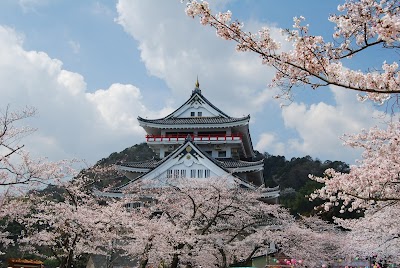
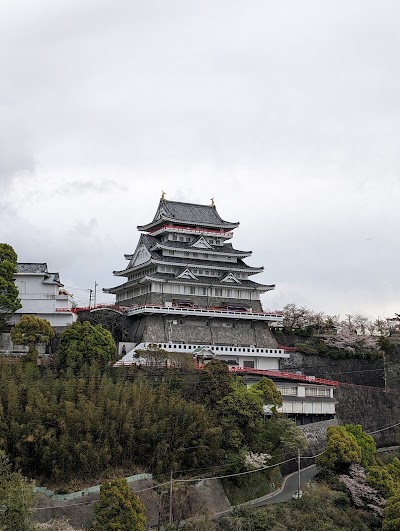
Full disclosure: Atami Castle was built in 1959 as a tourist observation tower. No samurai, no sieges, just postwar resort ambition dressed up in castle costume. What it does have is one of the best panoramic views of the bay in town, especially at sunset when everything turns golden.
You ride a short funicular up the hillside to reach it, and inside there's a trick art museum that's genuinely fun if you like optical illusions. Time it for about 30 minutes before sunset because that's the whole reason to be up here, and check the funicular is running if the weather turns.
Tip: Ride the cable bus up to this hilltop castle for panoramic sunset views over the bay. The ticket includes the trick art museum inside.
Day 3
Day three is the quiet one: plum blossoms in winter, cliff-side gardens over the Pacific, and a stretch of wild turquoise coastline most visitors never see.
Atami Plum Garden
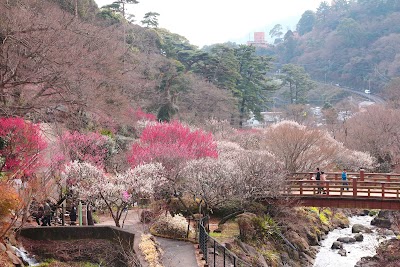
The Plum Garden has nearly 500 trees across 60 varieties, blooming January through March while the rest of Japan is still grey and dormant. The faint sweet fragrance of plum blossoms on cold winter air, pink petals against bare branches, is an almost implausible contrast.
Outside January through March it's just a pleasant park. The entire draw is seasonal, so if you're here at the right time, slow down and enjoy it. Arrive at 9 AM for the softest light and fewest people, and budget about an hour for a garden that's small but genuinely worth the walk.
Tip: Walk among 300+ plum trees blooming as early as January. Arrive at opening (9 AM) for the best light and fewest crowds.
ACAO FOREST
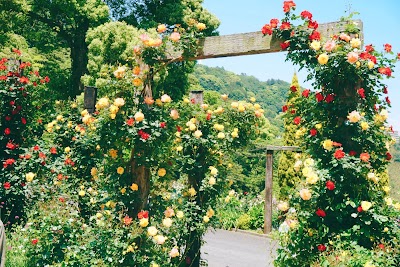
ACAO FOREST is a hillside complex with thirteen themed gardens and a glass-walled cafe perched on a cliff overlooking the Pacific. It also has what it claims is the world's largest bonsai, a pine trained over centuries, and even if the claim is generous, the scale is remarkable.
COEDA HOUSE cafe sits at the best vantage point on the property, with glass walls that frame the ocean like a living painting. Take the free shuttle from the station because the walk up isn't rewarding, and arrive by mid-afternoon so the light on the terraces has time to turn golden.
Tip: Reserve a table at the ocean-view cafe and wander themed herb gardens. The coastal terraces are stunning at golden hour so layer up for ocean breezes.
Nishikigaura
Nishikigaura is a stretch of rocky coastline west of town where the water turns a surprising turquoise against dark volcanic stone. Lava flows carved these sea cliffs over millennia, the same geology that gives Atami its hot springs producing this wild, unmanicured coastline.
Most visitors never make it this far west. You'll need a taxi, but you might share this coastline with just a handful of photographers. Late afternoon light on the turquoise shallows is the payoff, a fitting last stop. Wear sturdy shoes because the unpaved paths run close to the waterline.
Tip: Take a taxi to this scenic rocky coastline for dramatic sea caves and turquoise waters. The path is unpaved so wear sturdy shoes and bring cash for local parking.
What to book ahead
- Book Shinkansen tickets (2-4 weeks ahead) - Reserve seats on the Kodama or Hikari from Tokyo Station to Atami; round trip is covered by JR Pass.
- Reserve MOA Museum of Art tickets (1 week ahead) - Online tickets let you skip the queue; the golden tea room requires a separate advance reservation.
- Book ryokan or hotel with onsen (3-6 weeks ahead) - Atami's best onsen ryokan fill up fast on weekends and holidays; book early for ocean-view rooms.
- Check Atami Fireworks schedule (Before booking dates) - The Hanabi Taikai runs multiple times per year; plan your trip around a show date for the full experience.
What to pack
Essentials
- Swimsuit - Essential for Sun Beach swimming and onsen facilities that allow swimwear.
- Comfortable walking shoes - Atami's attractions involve lots of walking on stone paths and garden trails.
- Cash (Japanese yen) - Many local shops and smaller restaurants on Heiwa-dōri are cash only.
- Light jacket or layer - Coastal breezes can be cool even in warmer months, especially at hilltop viewpoints.
Nice to have
- Portable towel - Useful for onsen foot baths found at the station and Water Park.
- Camera with zoom lens - Panoramic bay views from MOA Museum, Atami Castle, and ACAO FOREST deserve good photos.
- Sunscreen - Sun exposure is high at the beach and on open hilltop terraces.
Final take
You've soaked in onsen water, stood under a 2,000-year-old tree, and watched the Pacific from a clifftop cafe, all from a town most people treat as a footnote.
Plan this trip
Turn this guide into an editable trip plan
Open the route in Instaboard, adjust the stops, and share the itinerary with your travel group.